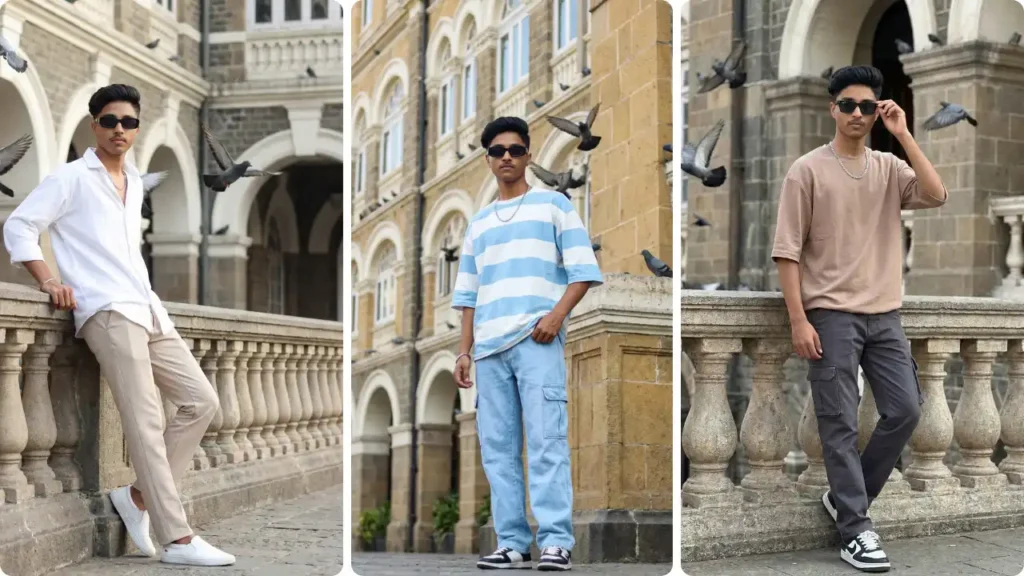
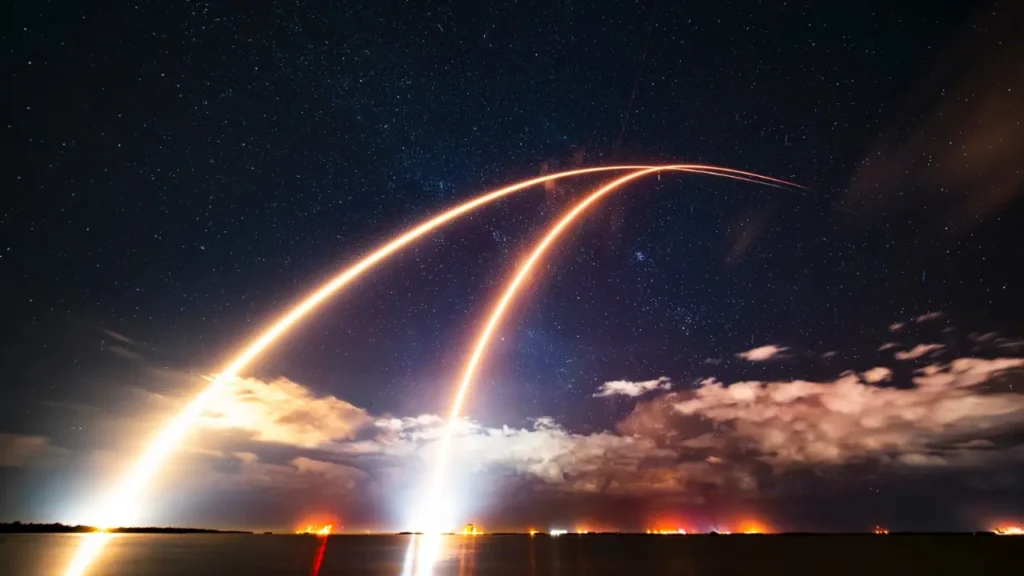
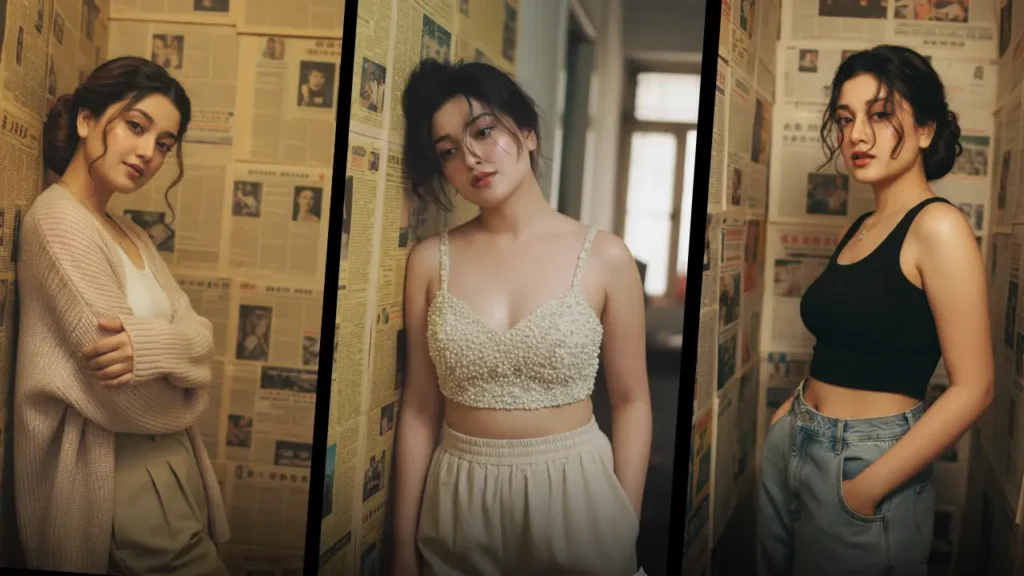
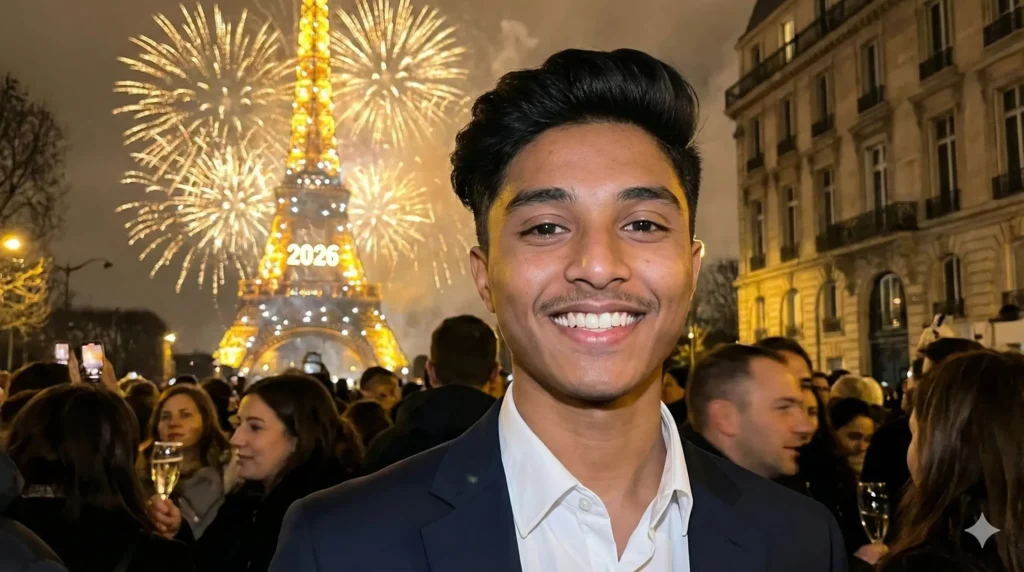
AI video is finally moving beyond short experiments and demo clips. With Veo 3.1 video generation, Google DeepMind is pushing AI video toward something creators can actually use. The focus is no longer just on making videos, but on making them consistent, controllable, and ready for real platforms.
Unlike earlier tools that struggled with shaky visuals and low quality, Veo 3.1 is designed for creators who care about storytelling, mobile formats, and production-level output. From a video-only perspective, this update clearly shows that AI video is entering a more serious stage.
What Is Veo 3.1 Video Generation?
Veo 3.1 video generation allows users to create videos using reference images and short prompts. Instead of generating random motion, the system turns visual “ingredients” into coherent video clips with smoother movement and better storytelling.
The biggest improvement in this version is expressiveness. Characters feel more natural, scenes flow better, and even simple prompts produce watchable results. This makes Veo 3.1 useful not just for testing ideas, but for publishing content. For creators, that difference matters a lot.
Veo 3.1 Video Duration: What to Expect
One of the most common questions is about Veo 3.1 video duration. Right now, the tool is clearly optimised for short-form content. The generated videos are designed to work well as clips rather than long scenes.
This fits perfectly with how most people consume video today. Short, focused videos perform better on mobile platforms and are easier to share. Instead of trying to replace full-length video production, Veo 3.1 is targeting high-impact moments that creators can build on.
Over time, longer durations may improve, but the current focus is quality and consistency within shorter clips.
Veo 3.1 Video Generation Limit: Is There a Cap?
So, is Google Gemini Veo 3.1 video generation free or limited? The reality is a mix of both.
Google is following a familiar pattern. It offers free access so that users can understand the tools and create basic videos. Additionally, limitations exist on usage, resolution, and output volume. For creators who need more control, higher quality, or consistent generation, the paid tiers and professional platforms provide that path.
This approach keeps Veo 3.1 accessible while still supporting serious production use.
Why Vertical Video Matters in Veo 3.1
One of the most important updates in Veo 3.1 video generation is native support for vertical video in a 9:16 format. This is critical because modern video consumption is mobile-first.
Instead of cropping the video horizontally, Veo 3.1 generates vertical video from the start. This makes it ideal for platforms like YouTube Shorts and other short-form ecosystems. Creators can produce full-screen vertical content without losing framing or quality.
This single change makes Veo 3.1 far more practical than many earlier AI video tools.
Veo 3.1 also supports upscaling to 1080p and even 4K in advanced environments. This allows AI-generated videos to fit into professional editing and publishing workflows.
To address trust and transparency, videos generated using Google’s tools include an invisible SynthID watermark. This helps viewers and platforms identify AI-generated content, an important step as AI video becomes more realistic.
Veo 3.1 video generation shows that AI video is no longer just about novelty. It is about control, consistency, and real-world use. With support for vertical video, short-form storytelling, and scalable access through Gemini and professional tools, Google is clearly positioning Veo as a core video platform.
AI video is moving from “can it work” to “can it be used daily.” Veo 3.1 suggests that the answer is getting closer to yes.